Dutch citizenship by naturalization
Naturalization in the Netherlands with the support of qualified lawyers
- Visa-free access to 170+ countries worldwide
- The right to live and work in any EU country
- Access to reliable European banking services

Naturalization in the Netherlands with the support of qualified lawyers
Apply now to get expert advice
The naturalization program in the Netherlands is regulated by the Kingdom Act on the Citizenship of the Netherlands (Rijkswet op het Nederlanderschap), which establishes the legal framework for obtaining a Dutch passport.
The basic naturalization requirements include being of legal age, having legally resided in the Netherlands for 5 years, demonstrating Dutch language proficiency at A2 level, having no threats to public order or national security, and successfully passing the civic integration exam (inburgeringsexamen).
The standard processing time for a Dutch citizenship application is up to 12 months.
Dutch citizenship provides access to a highly developed social security system, including quality healthcare services, unemployment benefits, reliable pension schemes, and comprehensive support for families.
A Dutch passport allows you to travel to 170+ countries without obtaining a visa in advance or with electronic travel authorizations that can be issued within a short timeframe.
The Netherlands has one of the most open and reliable legal systems in the world, ensuring the protection of the rights and interests of citizens and residents.
The Netherlands ranks among the highest in the EU for overall life satisfaction, supported by advanced infrastructure, a favorable environmental environment, and strong social support systems.
The Dutch healthcare system is known for its high accessibility and quality of medical services. Up to 83% of residents are satisfied with access to quality healthcare, compared with an OECD average of 64%.
Dutch citizens can study at prestigious universities across all 27 EU countries at reduced rates or free of charge.
Dutch citizenship grants the right to live, work, establish a business, and travel freely across most European countries without visas or additional permits.
A Dutch passport provides access to European exchange programs, opportunities within international organizations, and the ability to work in various EU public and research institutions.

Fill out the form and get a detailed guide about the service from iWorld specialists
A Dutch passport allows visa-free travel to 170+ countries, including European Union and Schengen Area countries. With an electronic travel authorization (ETA), holders of this passport can also visit Canada, the United Kingdom, Israel, and New Zealand.

Apply now to get expert advice
To obtain a Dutch passport, you must first become a legal resident of the Netherlands. Temporary residence can be obtained through study, employment, self-employment, or family reunification.
After 5 years of legal residence in the Netherlands, you become eligible to apply for citizenship through naturalization.
iWorld helps you select the most suitable residency pathway and provides legal support throughout the entire process until successful acquisition of Dutch citizenship.
 Netherlands
 Germany
 France

With the support of iWorld, you obtain a Dutch residence permit based on employment, business or startup creation, or education. Entrepreneurs may apply through the Startup Visa program, which provides a 12-month residence permit to develop an innovative business under the guidance of an experienced facilitator.
Learn moreAfter obtaining a residence permit, you must comply with the conditions of your chosen residency pathway: maintain the required status, meet income requirements (where applicable), renew the permit on time, and follow Dutch residency regulations.
Learn moreAfter 5 years of continuous legal residence in the Netherlands, you may apply for permanent residency, provided that all established requirements are met.
Learn moreWith the support of iWorld lawyers, you prepare a citizenship application dossier, including your passport, documents confirming identity and residence, as well as proof of meeting integration requirements or eligibility for exemption.
Learn moreWith the assistance of our legal experts, you submit the application package to the municipality where you reside. The documents are then forwarded to the Immigration and Naturalisation Service (IND). The application review process takes approximately 12 months.
Learn moreAfter receiving a positive decision, you attend the mandatory naturalization ceremony and sign the Declaration of Solidarity. Following this, you acquire Dutch citizenship and can apply for a Dutch passport and identity card.
Learn more Country
Germany
Country
France
Country
Germany
Country
France








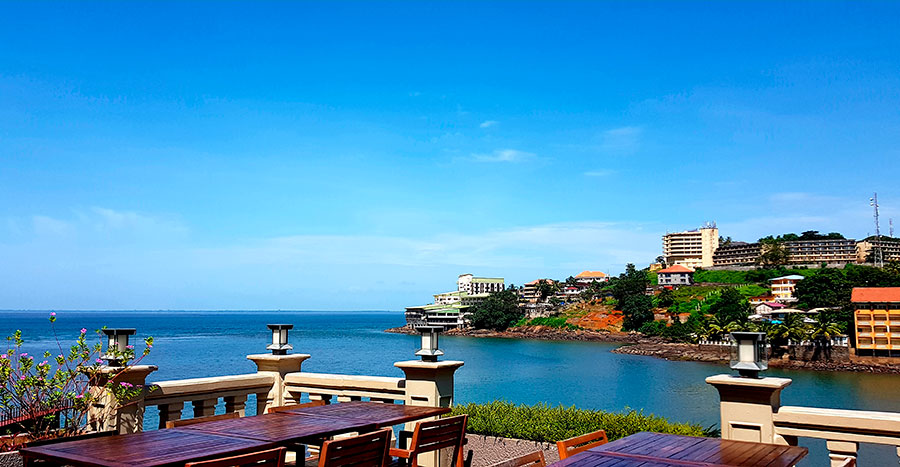 Sierra Leone: everything an investor needs to know
17.09.2026
Sierra Leone: everything an investor needs to know
17.09.2026
Explore Sierra Leone’s investment opportunities, key sectors, investor protections, capital repatriation rules, and the benefits of obtaining citizenship.
Learn more Beyond Borders 2026: International Summit on Residency, Citizenship and Investment Opportunities
01.09.2026
Beyond Borders 2026: International Summit on Residency, Citizenship and Investment Opportunities
01.09.2026
Beyond Borders 2026 is an international summit on residency, second citizenship, relocation, and investment, bringing together experts in global mobility.
Learn more Investing in Sao Tome and Principe real estate: is it worth entering the market in 2026?
19.07.2026
Investing in Sao Tome and Principe real estate: is it worth entering the market in 2026?
19.07.2026
Real estate prices, taxes, and buying conditions for foreigners in São Tomé and Príncipe. Learn about residence permits through property investment.
Learn moreAccording to current Dutch legislation, the minimum period of legal residence required to apply for citizenship is 5 years.
In most cases, naturalization requires renouncing previous citizenship. However, exceptions apply to citizens of certain countries, spouses of Dutch citizens, and some other categories of applicants.
The required level of Dutch depends on the applicable integration rules. For most applicants covered by the new integration system, B1 level proficiency is required, confirmed by passing the inburgeringsexamen.
Yes. Applicants can apply for naturalization directly after 5 years of residence with a residence permit that has a non-temporary purpose of stay.
Legal residence in the Netherlands is taken into account for naturalization if the applicant holds an eligible residence permit. Periods of study, employment, or entrepreneurship may count if the legal requirements for the residence status are met.
Yes. Recognized refugees can apply for naturalization after 5 years of legal residence if all other requirements are met. For officially recognized stateless persons, Dutch legislation provides the possibility to apply after 3 years of residence, subject to meeting the relevant conditions.
The IND reviews citizenship applications within a period of up to 12 months. After a positive decision, the applicant must attend a naturalization ceremony, after which citizenship is granted.
A refusal can be appealed within the established period (usually within 6 weeks of receiving the decision). After addressing the reasons for refusal, a new naturalization application may be submitted.
Typically, applicants need a passport, birth certificate, proof of legal residence, and confirmation of meeting integration requirements or eligibility for an exemption. Additional documents may be required depending on the individual situation.
Children under 18 can be included in a parent’s naturalization application. Adult family members must submit separate applications and meet all program requirements.

If you are exploring services for your clients, we invite you to visit our partnership page, where you can find all the information about collaboration opportunities and business benefits





Apply now to get expert advice