Greek citizenship through naturalization
Obtain Greek citizenship for the freedom to live in the EU
- Visa-free access to 170+ countries worldwide
- Access to European healthcare and banking services
- Access to a liquid real estate market
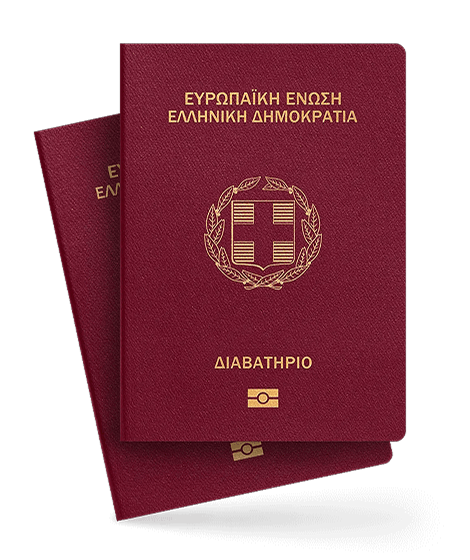
Obtain Greek citizenship for the freedom to live in the EU
Apply now to get expert advice
The naturalization process in Greece is regulated by the Greek Citizenship Code (Κώδικας Ελληνικής Ιθαγένειας) and Law 3284/2004. The main requirements for naturalization include 7 years of legal residence in the country, Greek language proficiency at B1 level, a clean criminal record, passing the mandatory integration exam and demonstrating successful social integration. The processing time for a citizenship application depends on the workload of the relevant authorities and may range from several months to several years.
By obtaining Greek citizenship, you gain access to Greece’s social protection system, which includes state benefits, social payments, pensions and participation in government programs, including housing support and employment assistance.
Greek legislation allows multiple citizenships, meaning that foreigners who obtain citizenship through naturalization can maintain their connection with their country of origin and retain the advantages of another passport.
Greece is chosen for its combination of a comfortable Mediterranean climate, affordable prices for goods and services, welcoming attitude towards foreigners and opportunities to invest in local real estate.
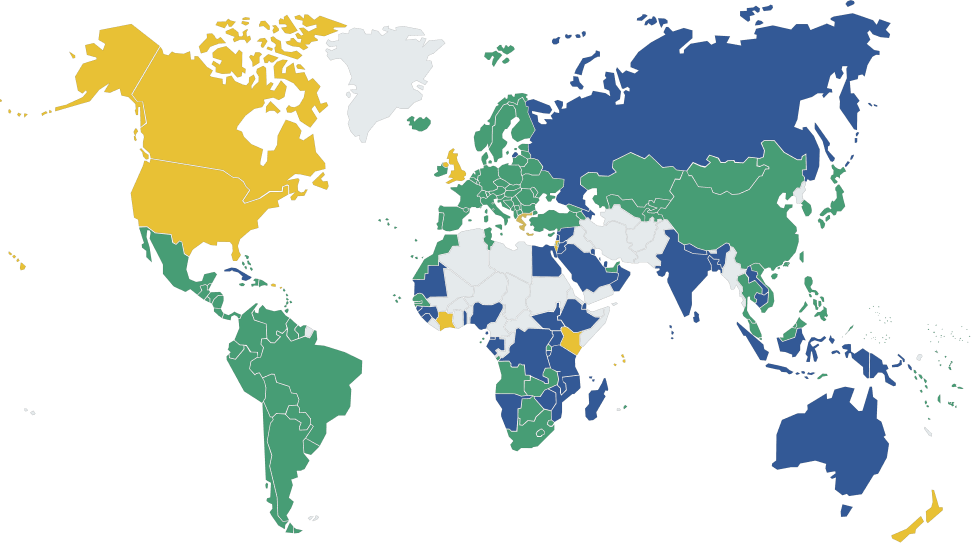
A Greek passport allows you to visit 170+ countries without obtaining a visa in advance, including China, the UAE and Japan, as well as enter Canada, the United Kingdom and New Zealand with an electronic travel authorization (ETA).
Greek citizens have free access to public primary, secondary and higher education. Students may also apply for support from the State Scholarship Foundation (IKY) and receive housing subsidies when studying in another city.
Greek citizenship provides full freedom to move, reside and work in all 27 EU countries without visas or additional permits. This opens access to the single European labour market with a population of more than 450 million people.
Greece provides universal healthcare services through the National Organization for the Provision of Health Services (EOPYY), giving citizens access to medical, clinical and pharmaceutical services within the public National Health System (ESY).
Greece is a democratic country with a developed legal system based on the Constitution, national legislation, legal codes and European Union law. This ensures the protection of citizens’ civil and political rights in accordance with international standards.

Fill out the form and get a detailed guide about the service from iWorld specialists
The Greek passport, ranked 4th in international passport strength rankings, allows holders to travel to more than 170 countries without obtaining a visa in advance, including EU and Schengen Area countries, as well as the United Kingdom, the United States, Canada, the UAE, South Korea and Japan.
Apply now to get expert advice
The first step is obtaining a residence permit in Greece. The country offers several residency options, including the EU Blue Card (EU Blue Card, residence permit category E.1) for highly qualified professionals, a residence permit for financially independent persons (FIP), the Digital Nomad Residence Permit, the Golden Visa program for investors and a residence permit for independent economic activity.
iWorld provides legal support throughout the entire process — from selecting the most suitable residency option and obtaining a residence permit to preparing for Greek citizenship through naturalization.
 Greece
 Spain
Spain
 Portugal

The naturalization process begins with obtaining an initial residence permit. iWorld specialists help you become a legal resident of Greece through the grounds established by law, including employment, business activities, education and family reunification.
Learn moreAfter obtaining a residence permit, you must comply with all residency requirements established by Greek law, including maintaining the required income level (where applicable) and renewing your status on time.
Learn moreAfter 7 years of residence in Greece, you must demonstrate knowledge of the Greek language, history, geography, culture and state structure by passing the ΠΕΓΠ exam (Πιστοποιητικό Επάρκειας Γνώσεων για Πολιτογράφηση). The level of your economic and social integration into Greek society is also assessed.
Learn moreThe naturalization application and the required set of documents are submitted to the Regional Citizenship Authority at your place of residence. After registration, the competent authority conducts a legal review of your application. According to official information, the processing period starts from 12 months.
Learn moreAfter a positive decision, the applicant completes the oath-taking procedure. Once completed, citizenship acquisition is registered in the municipal registry (Δημοτολόγιο), after which Greek citizenship documents — an identity card (ID) and passport — can be issued.
Learn more
 Country
Spain
Country
Portugal
Country
Spain
Country
Portugal








 Sierra Leone: everything an investor needs to know
17.09.2026
Sierra Leone: everything an investor needs to know
17.09.2026
Explore Sierra Leone’s investment opportunities, key sectors, investor protections, capital repatriation rules, and the benefits of obtaining citizenship.
Learn more Beyond Borders 2026: International Summit on Residency, Citizenship and Investment Opportunities
01.09.2026
Beyond Borders 2026: International Summit on Residency, Citizenship and Investment Opportunities
01.09.2026
Beyond Borders 2026 is an international summit on residency, second citizenship, relocation, and investment, bringing together experts in global mobility.
Learn more Investing in Sao Tome and Principe real estate: is it worth entering the market in 2026?
19.07.2026
Investing in Sao Tome and Principe real estate: is it worth entering the market in 2026?
19.07.2026
Real estate prices, taxes, and buying conditions for foreigners in São Tomé and Príncipe. Learn about residence permits through property investment.
Learn moreAccording to Greek legislation, you must have lived in the country for at least 7 years before applying for naturalization. Reduced residence periods may apply to spouses of Greek citizens who live in Greece and have children.
Greece allows dual and multiple citizenships. However, retaining your second passport is only possible if the legislation of your country of origin also recognizes dual citizenship.
The legislation requires applicants to demonstrate Greek language proficiency at a minimum B1 level according to the Common European Framework of Reference for Languages (CEFR). The exam assesses both spoken and written language skills.
Greek legislation does not require applicants to obtain permanent residence status before applying for citizenship. The key requirements are meeting the required period of legal residence and fulfilling all other naturalization criteria.
Yes. For naturalization purposes, legal residence in Greece is counted regardless of the basis for residence, whether it was for education, employment or business activities, provided that you held a valid residence permit.
Yes, this is possible. Foreign nationals with refugee status in Greece may qualify for an accelerated naturalization period of 3 years.
After submitting a complete application package, government authorities should conduct a legal review within 12 months. After this stage, the applicant is invited for an interview with the naturalization committee. In practice, due to the workload of the competent authorities, the process may take up to 2 years.
If naturalization is refused, the decision may be appealed. Under the Greek Citizenship Code, you can submit an application for annulment of the decision to the competent Administrative Court of Appeal. In certain cases, an administrative appeal to the Ministry of Interior may also be available.
The standard naturalization application package includes an application form, valid passport, birth certificate, residence permit or other proof of legal residence, proof of income (tax declaration), criminal record certificate, Greek language certificate (B1) and confirmation of passing the exam on Greek history and culture. Documents issued in foreign languages must be officially translated into Greek and certified.
Yes. Family members can apply for citizenship provided that each applicant meets the naturalization requirements, including the required residence period, language proficiency, financial independence and other criteria. Special rules apply to minor children, and in some cases they may obtain citizenship together with you.

If you are exploring services for your clients, we invite you to visit our partnership page, where you can find all the information about collaboration opportunities and business benefits






Apply now to get expert advice