
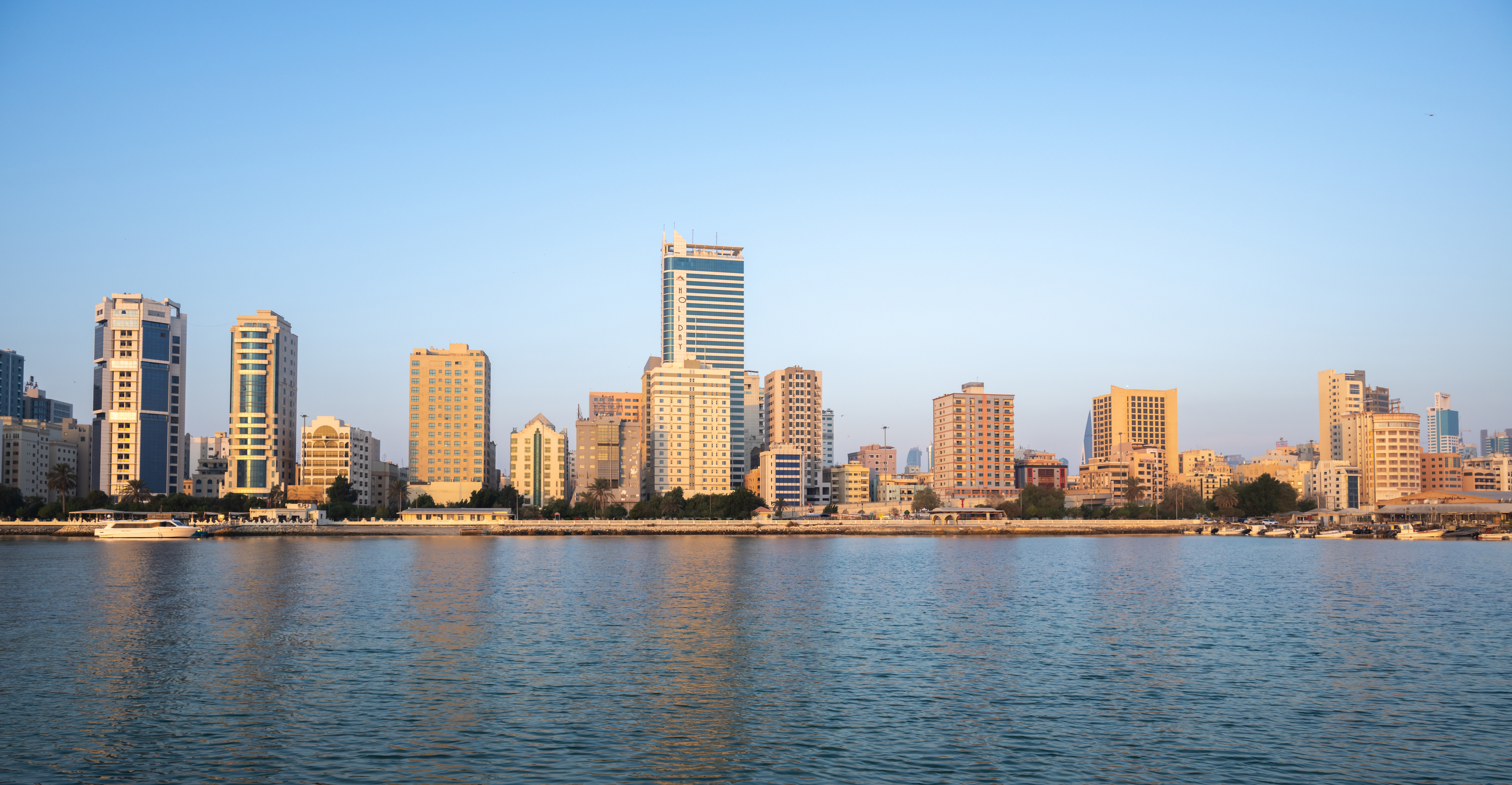
Bahrain is one of the Gulf states where foreigners can purchase property outright in designated zones. According to recent data, the number of foreign homebuyers in the country has grown 18% year over year.
Foreigners’ interest in Bahraini real estate is driven by a combination of tax and market factors. There are no taxes on ownership, personal income, or capital gains after resale. An additional advantage is the stable rental demand from foreign professionals who flock to this business and financial hub. Prices here are often lower than in Qatar’s overheated market, for example.
Therefore, Bahrain is suitable for those planning to profit from their investments and those seeking to own a home in a stable jurisdiction. Many people open businesses in Bahrain, obtain a residence permit based on this, and purchase property for residential or occasional use.
Can foreigners buy real estate in Bahrain?
Yes, foreigners can buy real estate in Bahrain. However, this right is not granted throughout the country, but only in specially approved freehold zones. The Survey and Land Registration Bureau, the Bahraini government agency responsible for land registration and property rights, publishes a list and map of these zones. These zones include the Amwaj Islands, Durrat Al Bahrain, Bahrain Bay, and certain areas in Manama.
In freehold zones, foreigners can purchase any type of property, including residential and commercial properties, as well as land. The only requirements are that the property is located in an officially approved zone and is registered.
By purchasing real estate in an approved zone, a foreigner receives full ownership, not a long-term lease. The property can be used as a personal residence, rented out, sold, or bequeathed.
Owning real estate in Bahrain qualifies one for a residence permit. If the property is valued at least USD 132,600, a residence permit is issued for 2 to 10 years and is renewable. A «Golden Visa» (Golden Residency), a long-term residence permit valid for 10 years, is available for real estate purchases valued at USD 344,770 or more. We cover the details of obtaining a Bahrain residence permit through the purchase of real estate in a separate article.
Real estate prices in Bahrain in 2026
When choosing real estate in Bahrain, it is important to consider the area and type of property. Properties in central and coastal locations are more expensive, but that’s where most of the demand from renters and buyers is concentrated. See the table below for approximate prices based on the current market situation.
| Area | Apartment /flat, $ | Villa/house, $ | Commercial property, $ |
|---|---|---|---|
| Manama | 130,000–332,000 | 207,000–1,630,000 | 225,000–1,060,000 |
| Durrat Al Bahrain | 240,000–450,000 | 425,000–2,000,000 | – |
| Bahrain Bay | 175,000–700,000 | 330,000–600,000 | 290,000–465,000 |
| Amwaj Islands | 150,000–730,000 | 410,000–1,100,000 | 1,000,000–1,500,000 |
The price ranges provided are only estimates. The final price of a property depends on its size, condition, year of construction, the development project’s infrastructure, and proximity to business or coastal areas. Prices within the same area can vary significantly depending on the housing class and development format.
Investing in Bahrain real estate: is it profitable?
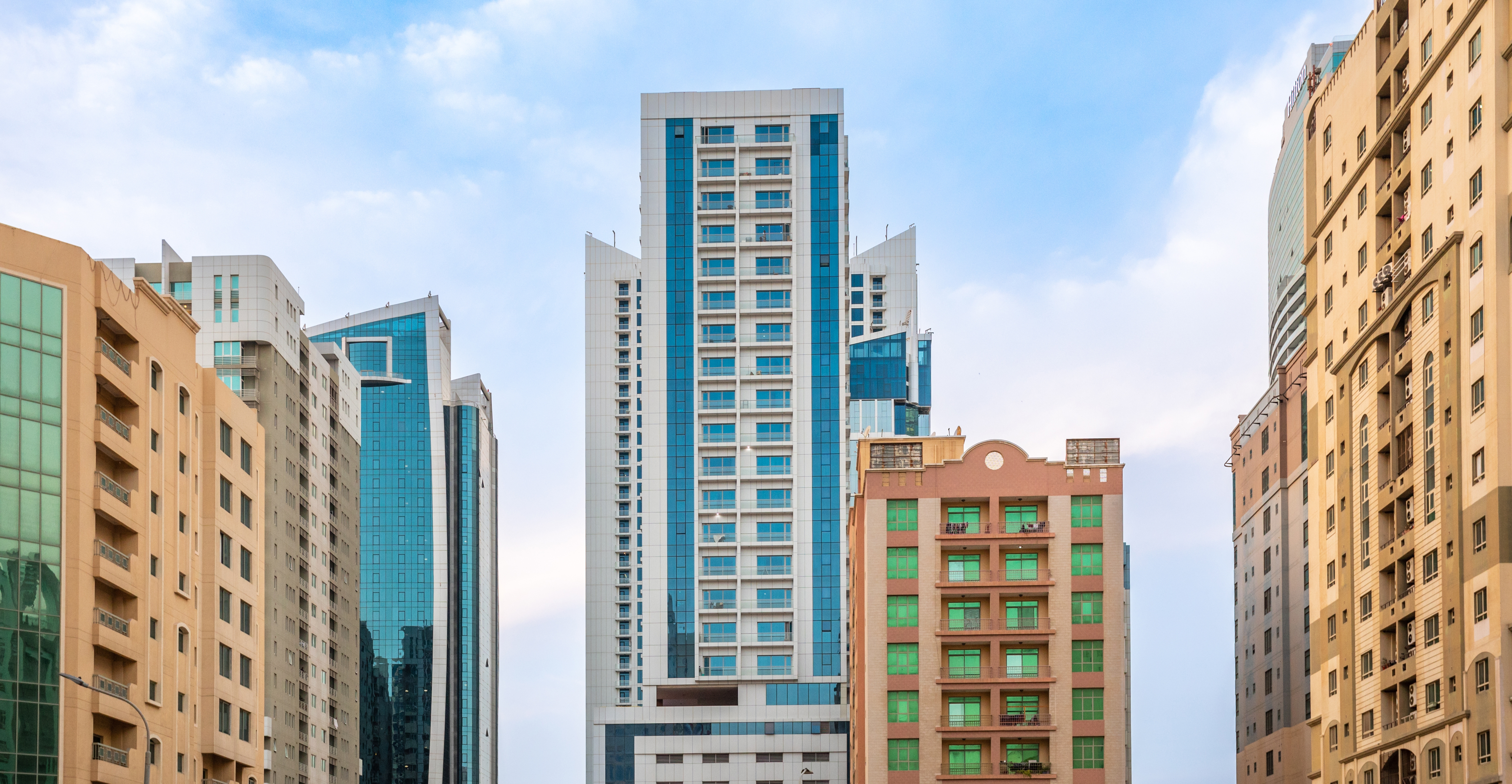
Investors are primarily interested in Bahrain real estate for its stable rental income. Tenants typically include foreign professionals working for international companies, in banking, and in industry, as well as business representatives residing in the region for extended periods. Therefore, investors are most interested in apartments and flats in areas with developed infrastructure and convenient access to business districts.
The average gross rental yield in Bahrain is approximately 6-7% per year. However, this figure can vary depending on the property’s type, condition, and location. For instance, in central Manama, the yield can reach 8%.
Liquidity in Bahrain is supported by constant activity from buyers and sellers. In recent years, the total volume of real estate transactions has exceeded 1 billion U.S. dollars, with the number of transactions growing by approximately 13%. Meanwhile, foreign purchases have increased by over 30%, indicating stable interest in authorized areas of the real estate market.
The Bahraini market is driven by stable demand rather than speculative price increases. Completed apartments and apartments in freehold areas are the most liquid. Juffair, Seef, Bahrain Bay, Amwaj Islands, Reef Island, and Durrat Al Bahrain are locations where regular transactions occur, and properties are easier to sell or rent out. Prices in Bahrain have grown moderately and remained stable, so real estate is often purchased for rental income and capital preservation rather than for quick resale.
When compared to other regional markets, Bahrain is often considered alongside the UAE, particularly Dubai, which boasts the most developed and active real estate market in the Emirates. Dubai excels in terms of project diversity and infrastructure; there is a wider selection of properties, more premium segments, and more investment scenarios. Bahrain, on the other hand, has a more compact and tranquil market with less competition among investors and lower entry barriers. The emphasis here is on clear freehold regulations, robust rental demand, and stable yields. Therefore, the UAE is a more logical choice for those seeking scale, prestige, and high liquidity.
Get advice
What are the buyer’s expenses?
When buying real estate in Bahrain, it’s important to consider more than just the price of the property. Registration fees and other associated costs are paid separately and affect the final budget.
One of the main mandatory payments is the state registration fee for recording the transfer of ownership. This fee is paid by the buyer when the new owner’s details are entered into the land and real estate registries.
If the application is submitted within 60 days of notarizing the purchase and sale agreement, the fee is 1.7% of the property’s value. If submitted later, a 2% fee applies. Additionally, a fixed fee of USD 2.65 is charged for each registration form transaction.
If a real estate agent is involved in the transaction, their fees should be included in the budget. The commission amount is usually agreed upon by the parties involved and typically amounts to around 2% of the property value. It can be split equally between the seller and buyer. In some cases, the seller pays the agent’s fee in full; the specific terms depend on the transaction format and agreement with the agency.
After purchasing an apartment in a residential complex, the owner usually pays regular fees for maintaining common property. These fees are generated by owners’ associations or management companies and are used for maintenance of common areas, security, cleaning, and other services. In some complexes, annual fees can start at USD 8 per square meter and be higher in premium complexes, depending on the level of service and infrastructure.
Bahrain has no property, capital gains, or personal income taxes. This means owners receive full rental income and can resell at a higher price without incurring fees.
Property Search Request
- Personalized property selection
- Calculation of the total cost
- Comparison of Countries and Projects
- Consulting and support from an iWorld expert

Leave an application and get a consultation specialist
How to buy Bahrain property: a step-by-step guide
The process of buying property in Bahrain consists of several mandatory steps:
- Determine the purpose and budget
First, determine whether the property will be used for personal residence or income generation. This will determine the type of property and budget, which should be planned from the outset. Take into account the purchase price, registration fees, and possible development costs.
- Select a property and location
After determining the budget, select properties in areas where foreigners are allowed to purchase. Selection can be made in person in Bahrain or remotely through online viewings. When purchasing remotely, a licensed agent or lawyer is usually hired to verify the property and the terms of the transaction. When choosing a property, consider its location, infrastructure, amenities, management regulations, and the potential future demand should you wish to resell it.
- Conduct a basic property inspection
Before making any payments, it is recommended that you conduct a basic property inspection. This includes verifying that the property is in a zone permitted for foreigners, is registered with the state, has no encumbrances, and that the developer/seller has the right to sell the property. The buyer’s lawyer typically performs this inspection and requests information from official registries.
- Reserve the property
After selecting and inspecting the property, the parties can formalize the purchase agreement by reserving the property. This stage is not required by law, but it is used in practice to secure the property for the buyer temporarily. The deposit amount is determined by agreement between the parties and is usually about 10% of the property price.
- Obtain a NOC
To purchase real estate in Bahrain, foreigners need a No Objection Certificate (NOC), which is a special permit from the government. It can be obtained from the Ministry of Interior and takes approximately 1–2 weeks.
- Sign the purchase and sale agreement
Once all terms have been agreed upon, the parties sign the purchase and sale agreement. The document is notarized and may be signed by the buyer in person or by a representative with power of attorney. The agreement includes the property description, price, payment terms, property delivery deadlines, and the responsibilities of each party. For properties under construction, the project stages are also specified.
- Make payments
If the property has already been built, payment is usually transferred directly to the seller via bank transfer. There is no legal requirement to open a Bahraini bank account, so the payment method is determined by an agreement between the parties. This agreement takes into account bank requirements and foreign exchange controls. If the property is purchased during construction, payments are made through the project’s escrow account. Developers open such accounts in accordance with legal requirements and use them exclusively for financing construction.
- Registration of ownership
After signing the purchase and sale agreement, the documents are submitted to the Bahrain Land Registry and Survey Bureau. The agency verifies the accuracy of the contract and the identities of the parties involved, as well as the presence of all required documents. Then, it enters the information into the official register. Registration is considered complete upon issuance of the title deed in the name of the new owner. Processing typically takes 1 business day if the documents are properly prepared.
Risks and details to consider
When planning a real estate purchase in Bahrain, it’s important to note that the local market has characteristics that affect profitability and resale prospects.
Resale profitability. Real estate prices in Bahrain are growing slowly. According to the latest data, the number of transactions has grown by 15-20%, but housing prices have only increased by 2-4% year-on-year. In some segments, prices have remained virtually unchanged. The market is developing steadily, without sudden fluctuations or overheating. Therefore, Bahrain is not a suitable location for a profitable resale in a few years. However, these conditions are optimal for long-term investments, such as preserving capital or generating rental income. On the one hand, this is a plus because the market is stable and predictable. On the other hand, you shouldn’t expect rapid price appreciation or quick profits.
If you plan to resell in the future, keep in mind that it typically takes several months to find a buyer in Bahrain, as the market here is not known for its high dynamics. If you overprice, this period will increase significantly. In the UAE, especially Dubai, high demand and a large number of transactions allow for faster resale and profit from rapid price increases. The total sales volume there has increased by 40% in one year.
Expatriate dependence. If you plan to rent out your property in Bahrain, it’s important to understand that the main demand in this country is driven by immigrants. This means market activity often depends on migration flows and economic activity in certain sectors, such as banking, finance, and manufacturing. A decrease in the number of expatriates (due to drastic changes in immigration laws, for example) will clearly impact profitability.
Currency risks. The Bahraini dinar is pegged to the US dollar, which minimizes currency risks for investors. This provides predictable settlements and protection from sharp exchange rate fluctuations.
However, if you’re looking for higher liquidity and a quick exit, the UAE is a better option, as the market is more active and demand is higher. The Emirates are also suitable for those seeking luxury properties with profitable rental yields (around 9% per annum in the capital). Therefore, when choosing an investment strategy, it’s worth consulting with lawyers. They can help you choose the best country and option for your specific goals.
Do you have any questions?
Ask an immigration lawyer for free