
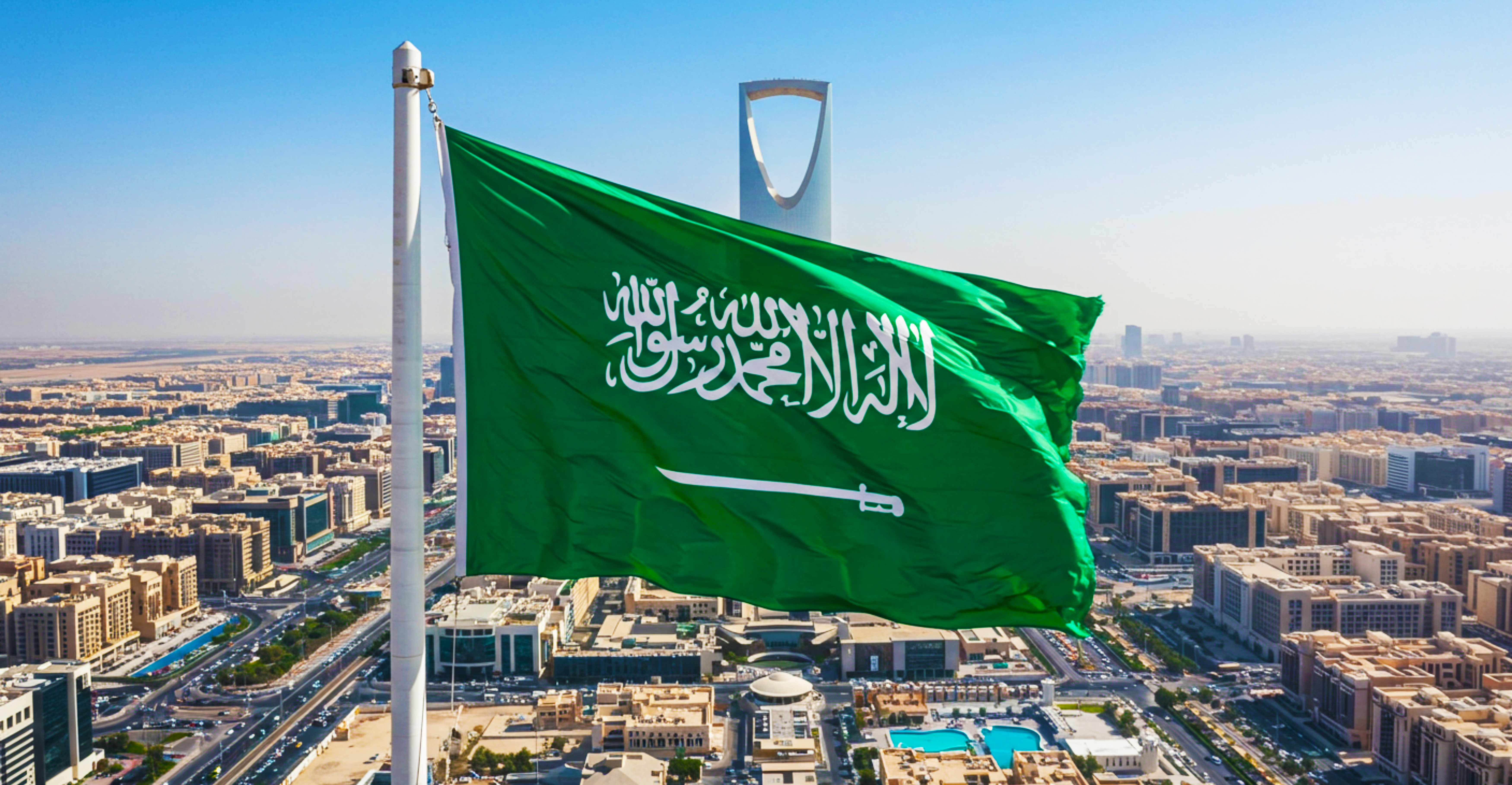
Until recently, the Saudi real estate market was closed to non-residents. However, by 2026, the country will open new opportunities for those who wish to diversify their capital, expand their business, or purchase housing in a developed country.
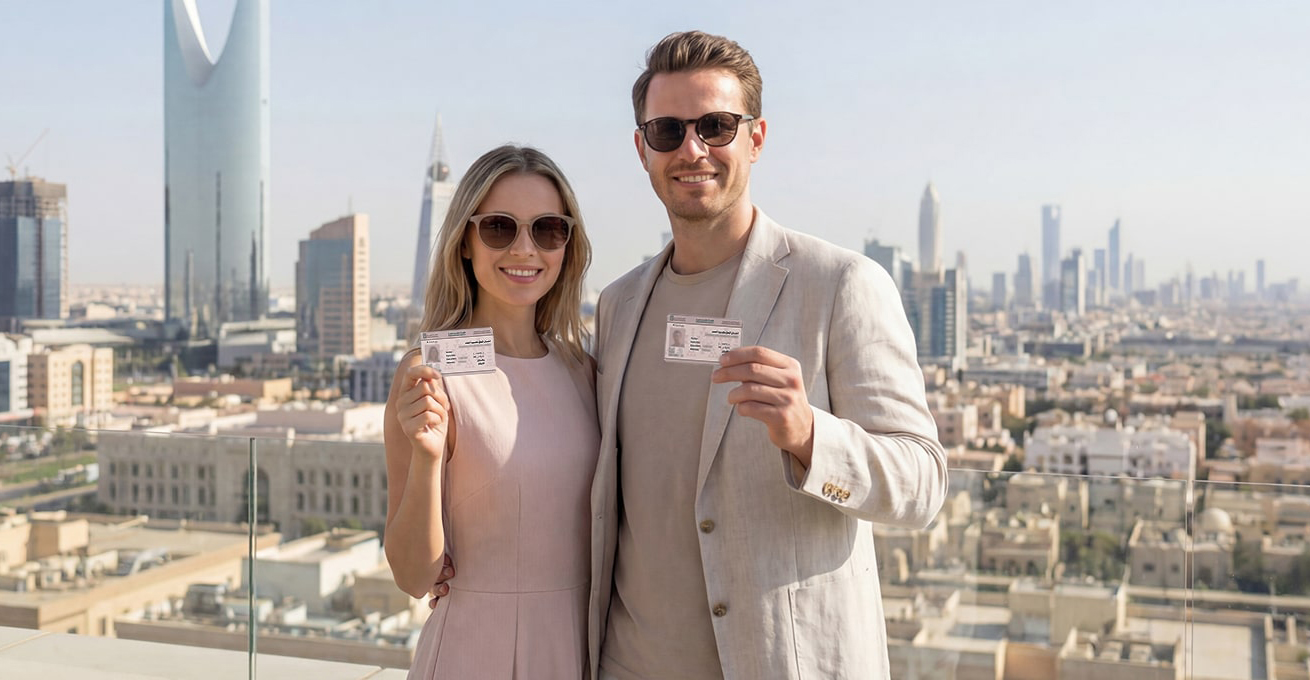
This transformation is part of the Vision 2030 program, which aims to attract investment. In particular, the NEOM project is developing premium real estate. Foreigners and their families can obtain a residence permit in the Premium Residency category by purchasing housing. This permit provides several special benefits.
This article explores the current state of the Saudi Arabian real estate market, who such investments are suitable for, and how to make a purchase safely and minimize risks.
The Saudi Arabian real estate market today
The Saudi Arabian real estate market is currently experiencing unprecedented growth. While oil was once the sole driver of the economy, the focus has now shifted to developing urban infrastructure that can attract talent and capital from around the world. The government’s Vision 2030 program has been instrumental in this transformation, promoting economic diversification and establishing the market as an investment haven.
Market overview: Over the past 2 years, the Saudi Arabian real estate market has seen 8 million purchase-and-sale transactions worth USD 324 billion. Residential properties account for approximately 63% of all transactions. In the first year of Vision 2030 alone, transaction volume increased by 17%. Medina, Jeddah, and Riyadh remain the market leaders.
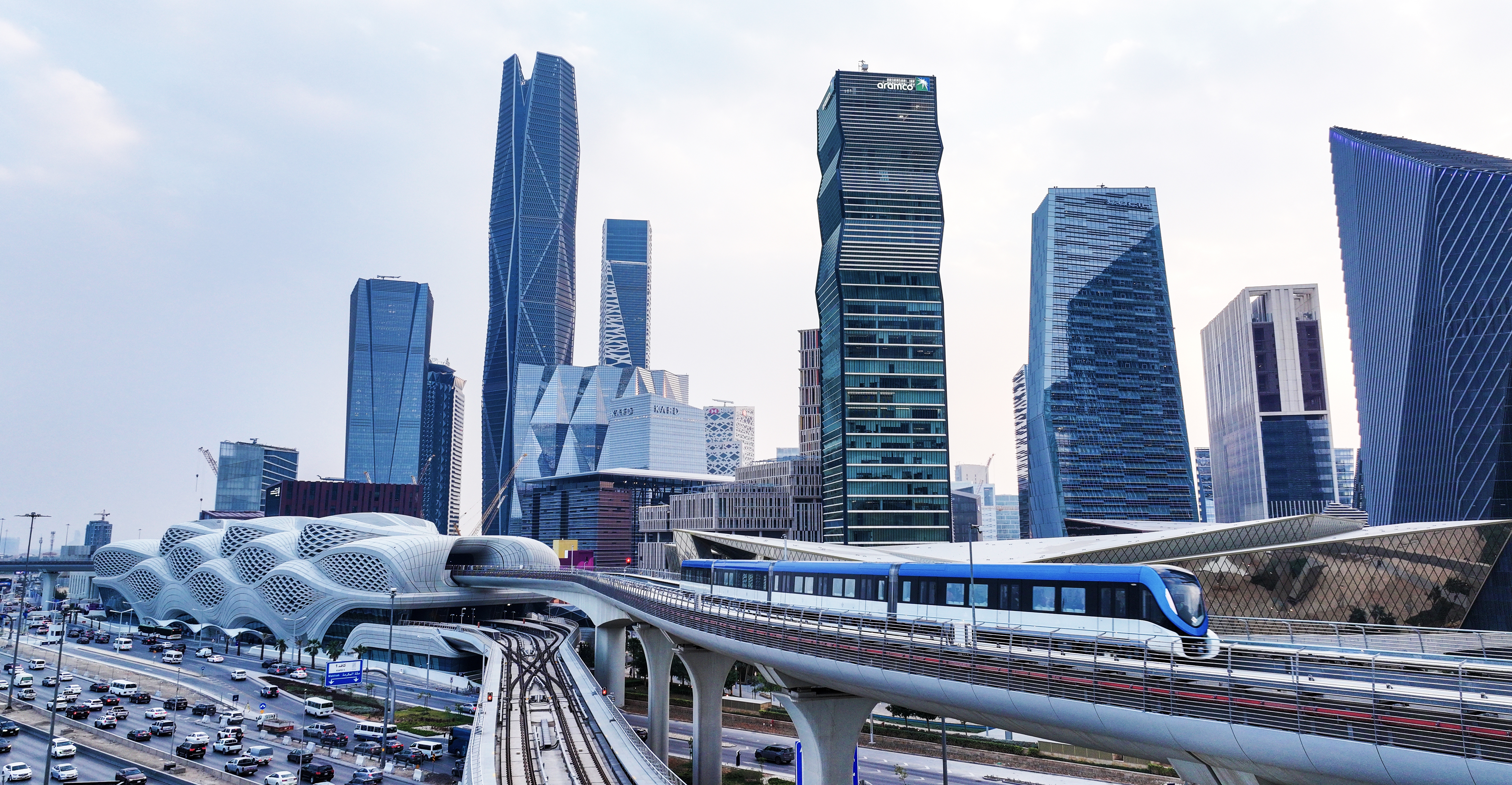
Urban development: The government has set the ambitious goal of making Riyadh one of the top ten cities in the world in terms of its economy. This initiative is generating demand for residential and prime office spaces. Thanks to the Regional Headquarters Program (RHQ), which offers businesses favorable conditions and financial incentives in exchange for relocating their headquarters to Riyadh, the capital is experiencing a construction boom.
Jeddah is becoming a major coastal hub, with rapid development in tourism and logistics. As part of Vision 2030, the USD 19.9 billion Jeddah Central project is being built: a 5.7 million-square-meter district in the heart of the city with a marina, restaurants, shops, and residential complexes.
Also underway on the Red Sea coast are the Red Sea and Amaala projects, which are being developed by a company owned by the Public Investment Fund (PIF). Vision 2030 includes the NEOM megaproject, which comprises several districts: The Line (an eco-friendly city), Oxagon (a manufacturing ecosystem), and Trojena (a mountain resort), among others.
The role of the state: Saudi Arabian authorities are actively promoting the construction of prestigious projects under Vision 2030. Attracted foreign capital is channeled into the Public Investment Fund. This, in turn, sponsors the creation of new companies and jobs.
At the same time, the government is reforming legislation to create more favorable conditions for foreign investors. By 2026, non-residents will be permitted to purchase real estate in select regions. The Real Estate General Authority (REGA) was established to standardize transactions. The property registration process has also been digitized. All of these changes make the Saudi Arabian real estate market more transparent and easier to understand for foreigners, and reduce investment risks.
Property Search Request
- Personalized property selection
- Calculation of the total cost
- Comparison of Countries and Projects
- Consulting and support from an iWorld expert

Leave an application and get a consultation specialist
Can foreigners buy real estate in Saudi Arabia?
A new law, the «Real Estate Ownership and Investment Law for Non-Citizens», has been in effect since January 21, 2026. According to this law, foreign individuals, nonprofit organizations, and foreign and local companies that are fully or partially foreign-owned can purchase real estate.
All types of real estate can be purchased in Saudi Arabia:
- Residential: apartments, townhouses, and villas.
- Commercial premises, such as retail spaces and offices.
- Land for development.
- Agricultural and industrial properties for business.
However, there are certain restrictions. Non-residents can only purchase housing in specific regions. Saudi Arabian residents are permitted to purchase one house or apartment for residential use outside of specified districts. The authorities have not yet published the list of these areas, but purchases in Mecca and Medina are certainly exclusively open to Muslims.
What types of real estate are available?
The Saudi Arabian real estate market offers a variety of properties, ranging from traditional family residences to futuristic apartments within Vision 2030 projects. The choice depends on the buyer’s investment goals and preferences:
- Apartments are the most affordable and popular option in large cities such as Riyadh and Jeddah. Modern residential complexes are often built as «cities within cities» with their own amenities, such as gyms, swimming pools, and security. Apartments are ideal for young professionals, small families, and investors looking for short- and long-term rentals.
- Villas are the traditional and most prestigious type of housing for Saudi families. However, they are also becoming increasingly popular among wealthy foreigners. These detached homes have private grounds and are often located in gated communities. This format is best suited to large families who value privacy and space, as well as those looking to preserve their wealth in the luxury real estate market.
- Apartments in new mega-projects, such as NEOM, The Red Sea, and Diriyah Gate, offer unique locations. These properties are often sold on a freehold basis and feature smart city technology. They are ideal for large international investors and those seeking exclusive, world-class properties with high growth potential.
- Commercial real estate includes office and retail spaces, as well as logistics centers. Due to the Regional Headquarters program, the demand for high-quality offices in Riyadh currently exceeds the supply. This presents an opportunity for corporate investors and businesspeople planning to relocate or expand their operations in the Middle East.
Real estate prices in Saudi Arabia
The Saudi Arabian market can be divided into two categories: traditional (ready-to-move-in urban housing) and investment (mega-projects). The table below shows the average real estate prices for a better understanding:
| Region | Apartment price, $ | Villa price, $ | Annual rent (2-3 bedroom apartments), $ |
|---|---|---|---|
| Riyadh | 102,000 | 667,000 | 14,700 |
| Jeddah | 95,000 | 480,000 | 10,700 |
| Dammam/Al Khobar | 70,000 | 400,000 | 9,400 |
Prices in NEOM vary greatly depending on the sub-project (Leyja, Epicon, or Norlana). However, real estate prices for new premium projects here are significantly higher than in standard areas. This is due to the project’s positioning. These projects are still in development and offer the latest technologies and interesting concepts. Therefore, they attract significant interest from foreigners with substantial capital.
On average, residential real estate prices in Saudi Arabia have increased by 5-9% over the past year. Riyadh has been the clear leader, with apartment prices rising over 10%. Jeddah has also shown moderate but steady price growth of 3-5%. The main driver of this growth has been the shortage of high-quality, ready-to-move-in housing in major metropolitan areas amid a growing population and influx of skilled foreign workers. Foreigners are also seeking Premium Residency visas by purchasing property.
Riyadh is the hottest residential real estate market. There is a shortage of quality housing due to the relocation of international corporate headquarters. Properties in the city are highly liquid, and land prices are rising rapidly. Riyadh real estate is a great option for investors looking to buy property to rent out, as well as for business owners. The top-rated districts are Al Malqa, Al Yasmin, and Al Narjis. The average price per square meter in the city center is approximately USD 3,000–USD 4,000.
Jeddah is more relaxed than Riyadh. After extensively demolishing older neighborhoods, the city is actively developing modern residential complexes. Distinctive features of the city include views of the Red Sea and well-developed resort infrastructure. Jeddah is suitable for residential living and family vacations. The Obhur Al Shamaliyah and Ash Shati districts are particularly popular areas for buying real estate. The average price per square meter in the city center is around USD 2,500.
New Saudi Arabian projects, such as NEOM, are «states within a state» with their own rules. These futuristic developments run entirely on renewable energy. The cities feature AI-driven public transportation and are completely eco-friendly. Both residential and commercial properties are available for purchase.
NEOM, consisting of The Line, Oxagon, and Trojena, is billed as the world’s most ambitious project. Buying property here is an investment in future technologies. Properties are often sold on a buy-to-lease basis with a guaranteed return. Diriyah, in Riyadh, is a historic center built in the traditional Najdi style. It represents the ultra-luxury segment. The Red Sea project focuses on ecotourism and offers exclusive villas on islands.
Investing in Saudi Arabian real estate
Investing in Saudi Arabia today means investing in the future. The country is rapidly transforming from an oil-dependent monarchy into a global tourism and business hub.
One of the reasons foreigners buy Saudi Arabian real estate is to obtain residency. Purchasing a property for at least USD 1,067,000 qualifies you for a Premium Residency, which is similar to a Golden Visa in the UAE and other countries. Investors and their families have the right to relocate to Saudi Arabia and receive several other benefits.
Unparalleled projects are being built in Saudi Arabia, such as NEOM and Qiddiya, which increase the return on investment. These projects contribute to the development of tourism and business infrastructure, making them popular investments for businesspeople. Their main priority is capital diversification, which allows them to generate income from multiple sources.
Currently, the rental business in the Kingdom of Saudi Arabia (KSA) is extremely profitable — foreigners are flocking to the country, but housing is in short supply. This is particularly true for businesspeople and investors. For instance, the average rental yield in Riyadh is 6-9% per year. In premium residential compounds, it can reach 10%. Both short- and long-term rentals are permitted.
One of the reasons for the increased demand is the program relocating international companies’ headquarters to Riyadh. Hundreds of top managers are seeking premium housing. Property owners enjoy an added benefit: rental income is tax-free for individuals.
Over the past 2 years, the market has shown impressive growth in property prices. In some northern areas of the capital, prices have increased by up to 25%. In Jeddah, the situation is more moderate, but a surge is likely after the completion of coastal projects. Real estate in NEOM and other parts of Saudi Arabia is expected to increase in value through 2030 due to government funding for infrastructure.
The main buyers of real estate are:
- Saudi Arabian citizens: The state-run Sakani program subsidizes mortgages, creating a strong foundation of demand.
- Middle Eastern investors, including funds and individuals from the UAE and Kuwait.
- International investors: There is growing interest, especially in premium real estate, from China and Europe.
- Corporate sector: Companies are buying entire buildings or blocks to house employees.
- Foreigners seeking residency: To expand their opportunities and live in a safe country.
The most liquid properties are ready-to-move-in apartments and small villas in the northern districts of Riyadh. A reasonably priced property sells in 2 to 6 weeks on average. The average apartment here costs around USD 1.5 million.
Large land plots without infrastructure and older buildings in the central and southern parts of cities have lower liquidity. The secondary market for foreigners is still in its infancy. Most activity is concentrated on new properties from major developers (such as ROSHN and Dar Al Arkan).
How does buying Saudi real estate work?
Thanks to the introduction of digital systems, the process is transparent. Most steps can now be completed and tracked online. The process generally consists of 5 main stages:
- Selecting and inspecting the property
Before purchasing, determine the property’s purpose and type (residential, commercial, new, or resale). Calculate your budget, then select a city and region. Ensure that the property is located in a region where foreigners are permitted to purchase real estate. To ensure a smooth process, consult experienced lawyers. They can help you select the right property and verify its legal status.
- Obtaining a permit
Depending on your situation, you may need a purchase permit from the Saudi Arabian Ministry of the Interior or the Ministry of Investment. This step should also be completed with the help of a lawyer, who can assist you in obtaining the necessary documents.
- Completing the purchase and sale agreement
Once everything is in order, the parties sign a contract that specifies the key delivery date, the obligations of the buyer and seller, and the payment terms. The buyer then transfers the funds, usually via bank transfer.
- Paying taxes and registering ownership
You must pay the standard property sale tax, as well as the foreign purchase tax. To do so, register the property on the tax authority’s website (zatca.gov.sa). An invoice will then be issued. After payment, the documents are transferred to the Property Registry, where the new ownership is registered, usually by a notary.
- Renewing utility company registrations
Once you have received your title deed, you only need to transfer the water, sewer, and electricity bills into your name. This can be done online through the National Water Company and the Saudi Electricity Company platforms, respectively.
We will compile and prepare the necessary documents in accordance with the requirements of the government agencies in the selected jurisdiction
Taxes and additional costs
The tax burden when buying property in Saudi Arabia is low. Although there is no annual property tax, there are one-time payments that must be factored into your budget. The country also does not have personal income or capital gains taxes: rental or sale profits are not subject to these taxes.
The main tax, which replaces VAT in real estate transactions, is a 5% tax on the property’s value. This tax is paid directly upon registration. Typically, the buyer pays this tax, but it is sometimes possible to negotiate with the seller to shift this responsibility to them. If the property is purchased by a non-Saudi citizen, an additional 5% tax is imposed.
The government regulates the services of licensed real estate agents. The standard commission rate is 2.5% of the transaction amount. Agents must be licensed by the Real Estate General Authority (REGA). Administrative fees may also be charged when completing transactions through government portals or notaries. If the purchase is for Premium Residency or is financed by a mortgage, a valuation by a certified specialist is required.
Real estate and residency in Saudi Arabia
In 2024, the Saudi Arabian Premium Residency Center introduced new premium residency categories. One of these categories is designed exclusively for homeowners. The residence permit remains valid as long as the applicant owns the property. If the property is sold, a new one must be purchased within 90 days to maintain the status.
Main requirements:
- The purchased property must be worth at least SAR 4,000,000 (approximately USD 1,067,000).
- Only residential properties are considered. Commercial properties are not included in this category.
- The property must be fully completed and ready for occupancy.
- The property must not be mortgaged or secured at the time of application.
- A report from a certified appraiser from the Taqeem system is required.
Obtaining Premium Residency status grants investors extensive rights, including the ability to clear passport control at Saudi border crossings. Investors can live in Saudi Arabia, enter and exit the country freely, work, and obtain visas for their family members (spouse and children under 25).
According to the law, an authorized representative with power of attorney can apply for Premium Residency on your behalf. Therefore, you can entrust this task to . Our company’s specialists will assist you at every stage, from the initial consultation to obtaining a Saudi Arabian residence permit through the purchase of real estate.
Who is eligible to purchase real estate in Saudi Arabia?
The Saudi Arabian real estate market is unique and is at the peak of transformation. However, it has not yet become overheated, so there is still an opportunity to enter the market without significant competition.
Saudi Arabia is ideal for strategic investors due to its high rental yields (6-10% per annum). Moreover, the currency is stable, pegged to the US dollar.
Investors ready to invest in the future (NEOM, The Line, The Red Sea) are another category of people who may be interested in Saudi Arabian real estate. These are long-term investments, where the property’s capitalization can increase several-fold in a few years due to the unique location.
Buying real estate in Saudi Arabia may be a good option for those who want to live with their family in a safe, technologically advanced country. Premium Residency, available for SAR 4 million, provides business rights, high-quality healthcare, and world-class education.
Despite all its advantages, Saudi Arabia is not a universal market. The Kingdom has restrictions on the territories where foreigners can purchase real estate. Therefore, the country is not suitable for those who value freedom in this regard.
Keep in mind that quickly reselling an apartment three to six months after purchasing it is unprofitable because the price will not have time to appreciate sufficiently. Additionally, the minimum threshold for Premium Residency is quite high.
Today, Saudi Arabia is the birthplace of a new global powerhouse. The country currently offers a unique balance of no income taxes, capital protection, and ambitions supported by billions in government investment.
If you are ready to be part of this historic moment, now is the time for an in-depth analysis. To explore all the possibilities of purchasing real estate in Saudi Arabia, consult .