
Buying real estate in Cyprus is an attractive option due to the country’s many advantages, including a mild climate, a high standard of living, a safe environment, and an accessible tax system. Since 2017, the country has not had an annual property tax, municipal fees are minimal, and VAT on new homes can be reduced to 5%. According to statistics, interest from foreign buyers has remained stable. For example, 2,511 properties were sold to non-EU citizens in 2024, and 2,059 were sold from January to November of 2025.
While buying real estate in Cyprus is traditionally seen as a means of immigrating, not every property is suitable for this purpose. To obtain permanent residence by investing in Cypriot real estate and subsequently citizenship, you must invest at least EUR 300,000 in a new house or apartment and prove an annual income of at least EUR 50,000. Therefore, many people choose real estate with legal counsel. It’s important that the property appeals to you and meets the requirements of the Cyprus investment program.
What do you need to know about buying a property in Cyprus in 2026?
In 2025, Cyprus’s real estate market is shaped by updated laws, so it’s important to review the current conditions before choosing a property.
- Average real estate prices. New apartments in the coastal cities of Larnaca, Paphos, and Limassol cost an average of EUR 2,800–4,500 per square meter. In less expensive areas and on the secondary market, prices are slightly lower, at around EUR 1,900–2,400 per square meter.
- Market dynamics. According to the Department of Lands and Cadastre, the real estate market remains active with a consistent number of registered transactions and no significant drops. In 2024, 23,900 sales were recorded, with a total property value of EUR 5.7 billion.
- Investment threshold for permanent residence. Permanent residence in Cyprus can be obtained through the purchase of real estate valued at least EUR 300,000, provided that the applicant has a stable foreign income of at least EUR 50,000 per year.
- Path to citizenship. Cyprus no longer offers citizenship by investment; the government has completely discontinued this program. Currently, a passport can only be obtained through naturalization under general terms: first, obtain a permanent residence permit in Cyprus by purchasing real estate; then, live on the island for at least 8 years.
- Transaction timeframes. In practice, most real estate transactions take 1 to 3 months. However, this depends on document preparation, any restrictions, and the Department of Lands and Cadastre’s processing speed for applications.
- Additional costs when purchasing. The transaction price is not determined solely by the property price. Taxes, title transfer fees, and legal fees are added, increasing the budget by approximately 10-15%.
- VAT on new homes. A reduced rate of 5% applies to the first 130 square meters of living space if the property price does not exceed EUR 350,000. For areas or prices above these limits, the standard VAT rate of 19% applies.
The Cyprus real estate market: what’s happening with property prices and demand
A review of official reports from recent years is sufficient to assess the current state of the Cypriot housing market. According to the Central Bank, property prices in Cyprus steadily increased from 2022 to 2024, though the growth rate slowed considerably toward the end of this period. The Housing Price Index increased by 6.5% year-over-year in 2024, with apartment prices rising slightly faster than house prices.
The most significant price increases are currently in Famagusta and Paphos, with annual increases of 11.1% and 11.8%, respectively—the fastest growth among the districts. Larnaca (+8.1%) and Limassol (+7.4%) also show steady but more moderate growth. On the other hand, Nicosia is growing by approximately 2.7% year-on-year, reflecting the gradual alignment of supply and demand and the stable nature of the capital’s market.
Cyprus has become more expensive in recent years. However, it remains more affordable than many EU countries and attracts investors with its mild climate, English-speaking environment, and Southern European standard of living. Demand remains driven by both Cypriots and foreigners. The most common buyers of Cypriot real estate are citizens of Israel, the UK, and Lebanon.

What is the best place to buy a Cyprus property?
The real estate market in Cyprus is diverse, with prices, demand, and potential varying significantly across regions. Let’s look at the cities most often chosen by Cypriots and foreign investors alike.
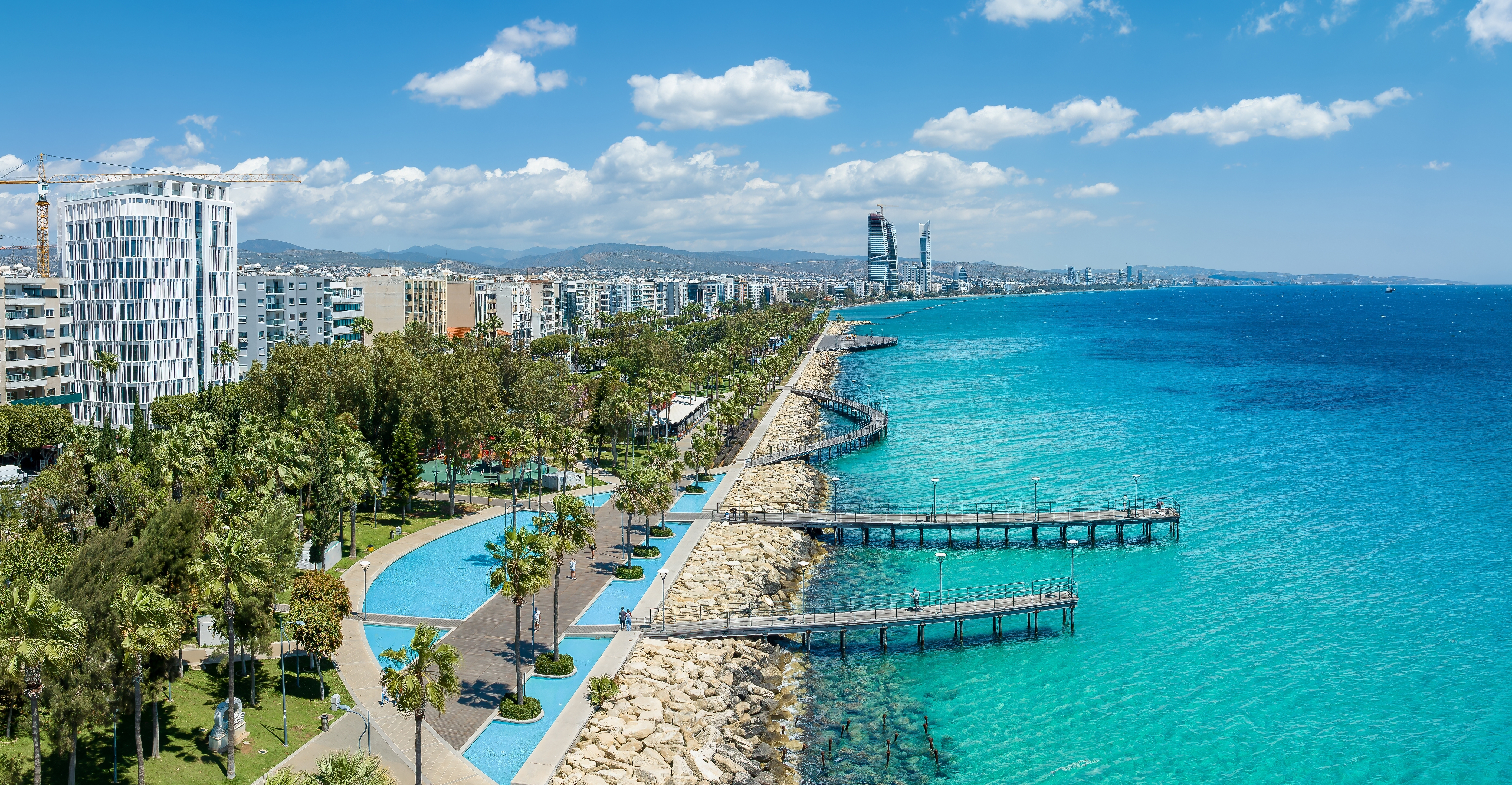
Limassol – a business hub
Limassol is a business hub and one of Cyprus’s main business centers. International shipping companies, technology firms, and service offices are based here. The city is home to the headquarters of ASBIS, Columbia Shipmanagement, and Marlow Navigation. Given the concentration of international businesses, many specialists from Eastern Europe have relocated here over the years.
Limassol is ideal for those planning a full-time relocation who value developed infrastructure, an international environment, and high-level service. The city is ideal for families and professionals seeking a successful career. Investors are attracted to Limassol due to its stable rental demand. Long-term rentals are more popular in business districts, while short-term rentals offer higher yields in coastal areas, especially during peak season. However, Limassol is more expensive than other regions of Cyprus. Coastal areas are densely populated, and traffic during peak hours is significantly higher.
Prices for new apartments in most areas of Limassol range from EUR 135,000 to EUR 250,000. Seaside properties and modern residential complexes typically cost EUR 350,000 or more. Offers for private houses and villas in prestigious locations start at EUR 800,000 and go up to EUR 1,200,000.
Paphos – for a quiet life and a family-friendly environment
Paphos is widely regarded as the most tranquil and family-friendly city in Cyprus. Its mild climate, spacious residential areas, private schools, and relaxed pace of life make it ideal for those seeking a stable and comfortable place by the sea, away from the hustle and bustle. Housing here is more affordable than in the island’s business centers. Apartments typically cost around EUR 155,000–EUR 200,000, and houses sell for EUR 350,000–EUR 500,000.
Paphos attracts visitors with its wide beaches, low-density development, and relaxed lifestyle. The business sector is primarily focused on tourism, real estate, and local services. Large IT companies, international holdings, and a developed corporate sector are less prevalent here than in Limassol or Nicosia. Paphos is often chosen by families, remote professionals, and individuals who do not aspire to work for large international companies.
Larnaca – affordable housing and home to the main airport
Larnaca attracts those seeking a maritime climate, convenient infrastructure, and easy logistics, as it is home to the main international airport. The city is developing steadily and remains one of the most affordable places to buy a home. Apartments typically sell for between EUR 110,000 and EUR 220,000, while houses range from EUR 250,000 to EUR 400,000.
Larnaca’s infrastructure is simple and convenient. The seafront promenade is in the center, and schools, transportation, and new residential areas are nearby. The labor market primarily relies on airport services, tourism, and logistics, so there are fewer job opportunities than in busy cities. However, stability is ensured by large hotel chains and Hermes Airports, the management company that operates Larnaca and Paphos airports.
Property buyers often choose Larnaca’s real estate for personal residences because the relaxed pace of life, affordable prices, and convenient infrastructure make the city comfortable to live in year-round. Larnaca is also suitable for long-term rentals, primarily driven by demand from airport employees and service companies.
Nicosia – the capital and an inland city
It is the only major city in Cyprus and is located in the center of the island, away from the coast. Key government agencies, the country’s leading universities, and major employers are concentrated here: These include the Bank of Cyprus, Eurobank, the telecom operator Cyta, the technology group Logicom, and the Cyprus Stock Exchange. Nicosia is primarily targeted at those planning to live and work in Cyprus permanently. Investors are particularly interested in the city for long-term rentals because, although yields are lower than in resort areas, occupancy rates are typically high year-round.
Real estate in Nicosia is significantly more affordable than on the coast. Resale apartments typically cost EUR 130,000–EUR 180,000, while new builds and modern residential projects cost around EUR 200,000–EUR 250,000. The city remains a practical choice for those seeking employment opportunities, a stable rental market, and affordable prices, all delivered with the same level of service as a capital city.
Ayia Napa and Protaras – the most famous resorts for holidays and short-term rentals
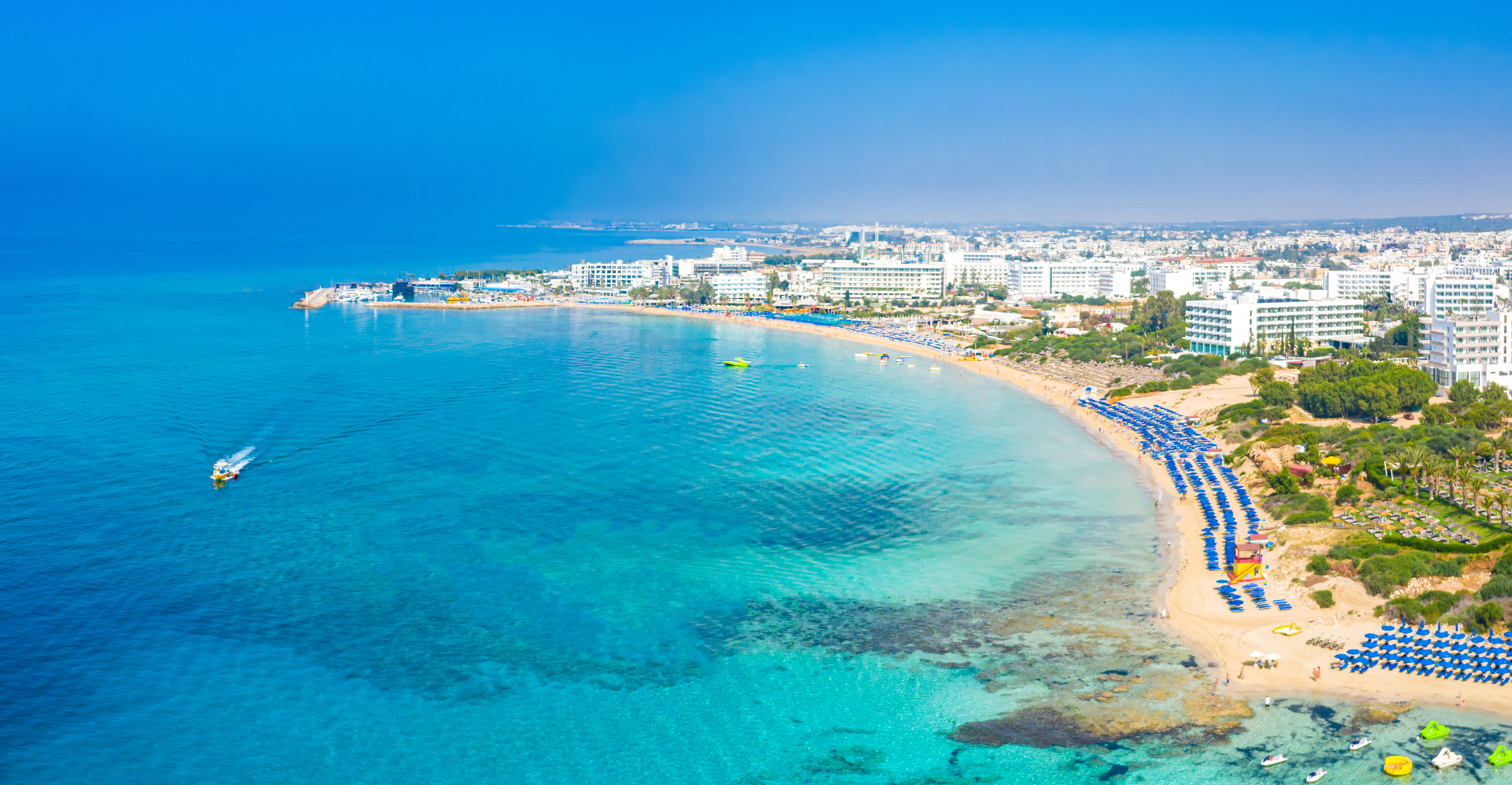
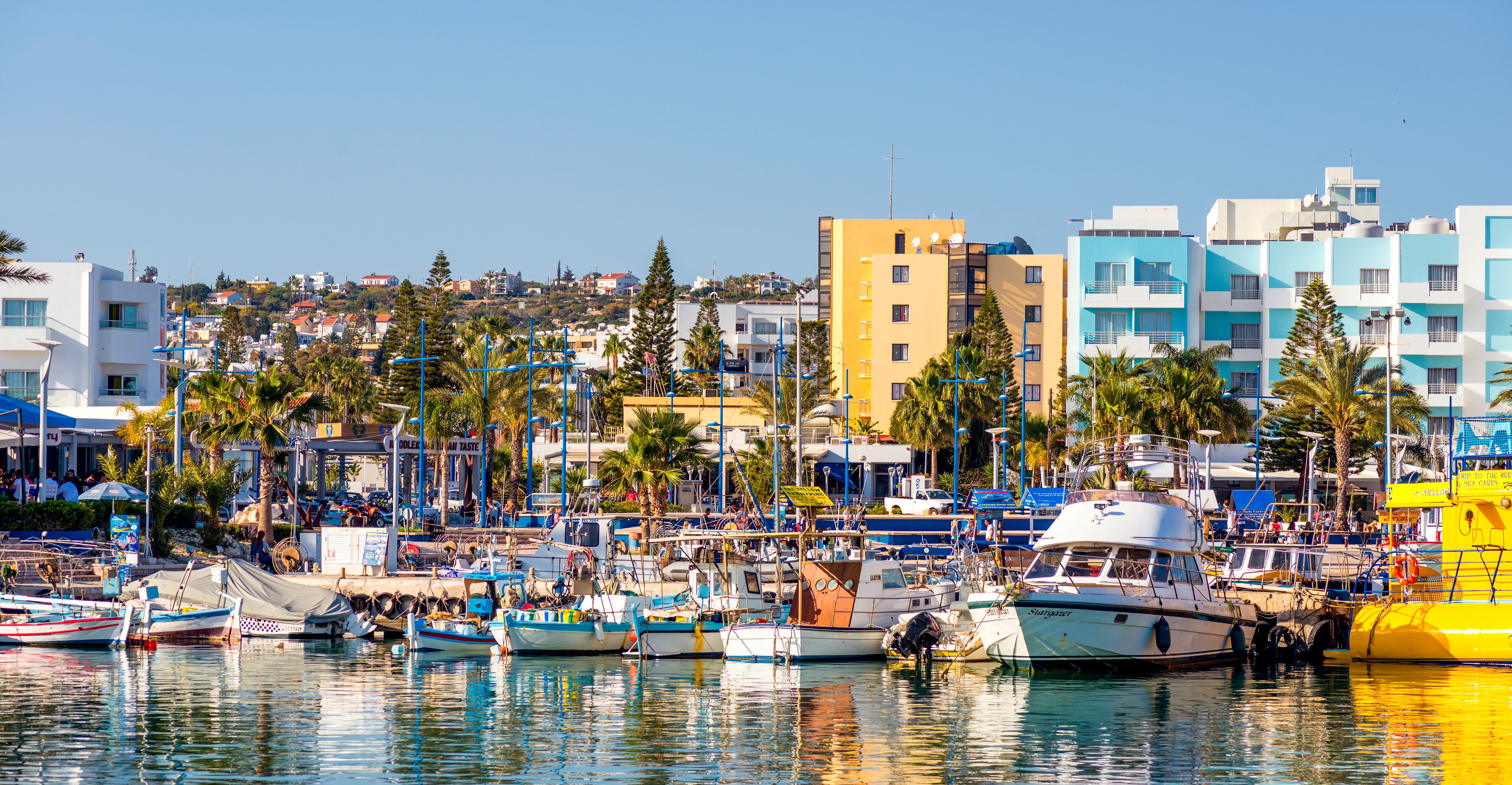
Ayia Napa and Protaras are the most famous resorts on Cyprus’s southeastern coast. The city has a distinct seasonal rhythm: Summer brings peak tourism, and most restaurants and beach services open then. Ayia Napa remains one of the most profitable locations in Cyprus. The average annual short-term rental yield is 6-10%, and occupancy rates often exceed 90% in summer.
Real estate is in steady demand among investors. Apartments typically cost between EUR 250,000 and EUR 350,000, while modern beachfront complexes can exceed EUR 700,000. While the location is ideal for holidays and profitable rentals, it is not always convenient for year-round living due to limited off-season infrastructure.
Protaras is considered a quieter, family-friendly resort that focuses on beach holidays and European tourists. There are fewer entertainment options here, but seasonal rentals remain in high demand thanks to the excellent beaches and compact infrastructure. Apartments and flats cost around EUR 500,000–EUR 600,000, while seaside villas range from EUR 900,000–EUR 1,200,000. Protaras is often chosen by investors seeking a steady flow of summer tenants because the city is quieter in the off-season, making it less suitable for permanent residence. The average short-term rental yield is 6–8%.
How much does real estate cost in Cyprus in 2026?
The average price on the Cyprus property market remains consistently high: apartments often sell for EUR 170,000–250,000, while houses range from EUR 500,000–600,000 and above. Prices depend primarily on the city, proximity to the sea, and the year the property was built. Prices are higher in resort areas and in Limassol, while Larnaca, Nicosia, and Paphos offer more affordable options with the same comfortable standard of living.
Prices by city
| City | Apartment (not by the sea), € | Apartment by the sea, € | House/Villa, € |
|---|---|---|---|
| Limassol | 135,000–250,000 | 350,000–600,000 | 300,000–15,000,000 |
| Paphos | 155,000–200,000 | 250,000–500,000 | 250,000–5,500,000 |
| Larnaca | 110,000–220,000 | 350,000–800,000 | 170,000–6,500,000 |
| Nicosia | 100,000–900,000 | – | 200,000–4,500,000 |
| Ayia Napa | 250,000–350,000 | 400,000–600,000 | 500,000–4,000,000 |
| Protaras | 500,000–600,000 | 700,000–2,000,000 | 400,000–6,000,000 |
What can you buy with real estate investments of EUR 150, EUR 300, or EUR 500,000?
The Cypriot real estate market offers options to suit nearly any budget. You can find everything from compact apartments for personal vacations to spacious seaside villas.
For EUR 150,000, you can buy a spacious resale apartment or a small home in a new development. In Larnaca, for example, you can find older apartments of approximately 90 square meters with 3 bedrooms for this price, close to the sea and schools. In Paphos, modern studios of about 40-45 square meters in new complexes are available at the same price.
With a budget of EUR 300,000, your choices expand significantly to include apartments and houses in quiet residential areas. In Paphos, for example, you can find 2-bedroom apartments of around 95 sq m in a modern complex with a swimming pool, parking, and landscaped grounds near the sea. In Larnaca, you can find spacious apartments of around 150 square meters in the Livadia area, as well as new 3-bedroom houses of over 200 square meters. In Nicosia, you can purchase a house with a plot of land measuring approximately 230 sq m for this budget. Therefore, if you decide to participate in the Cyprus investment program and obtain permanent residency through the purchase of real estate, you can choose a comfortable and modern home for EUR 300,000.
For EUR 500,000, Cyprus offers a wide range of premium housing options. In Limassol, for example, new apartments of approximately 80–90 sq m with a swimming pool and private garden are available within walking distance of the beach. In Paphos, modern villas of 160–180 sq m with private plots, swimming pools, and parking are available at this price. In Protaras, spacious homes of 130–150 sq m, located on the water’s edge, with 250–300 sq m plots and finished interiors, are available at this price.
Regulations for purchasing real estate in Cyprus as a foreigner
Third-country nationals may purchase real estate in Cyprus only after obtaining approval from the relevant local authorities. To do so, they must submit a special application enclosing the following:
- a current title deed;
- a sales contract with a stamp duty payment stamp;
- a passport;
- proof of financial solvency;
- a plan of the property itself;
- a marriage certificate (if applicable);
- if the purchase is planned for a legal entity, provide information about the company’s registration and its shareholders.
The application review process usually takes 2-3 weeks and is free of charge.
The law restricts the purchase of real estate by non-EU citizens. You may purchase a maximum of 2 properties in various combinations: 2 residential properties (e.g., 2 apartments or an apartment and a house) or 1 residential property plus commercial space, such as a store up to 100 sq. m. or an office up to 250 sq. m. There are no size restrictions on residential properties. A plot of land for development up to 4,000 sq. m is also permitted. If the buyers are spouses, the limit applies to the couple.
How to buy real estate in Cyprus: a step-by-step guide
The process of buying property in Cyprus consists of 7 stages and can be completed entirely remotely:
- Select a property and analyze its specifics.
First, select a property that meets your needs in terms of location, size, infrastructure, and possible restrictions. This can be done during an in-person viewing or remotely through online presentations, video viewings, and remote document verification. At this stage, it is important to check for any legal restrictions on the property, such as mortgages, liens, lawsuits, or third-party rights that could prevent the purchase. - Sign the preliminary purchase agreement.
After selecting and inspecting the property, the parties enter into a preliminary agreement setting out the main terms of the future transaction, including a precise description of the property, the agreed-upon price, the payment schedule, and the deadline for completing payments. The document also contains information on the terms for returning the deposit paid at this stage (usually up to 10% of the property price) and the parties’ liability in the event of a breach of agreement. - Obtain a permit to purchase real estate.
The application is submitted to the district administration office where the property is located. The administration office accepts the documents, conducts an initial review, and forwards the file to the Council of Ministers, which makes the final decision on issuing the permit. The permit is valid for a specific property and buyer. For spouses, one permit is issued for both. - Sign the purchase agreement.
You can sign the purchase agreement in the presence of a Cypriot notary without visiting the property in person. You will need to issue a notarized power of attorney to a Cypriot lawyer who will represent your interests throughout the transaction. After signing, most of the property purchase price is paid. Payments are made through the lawyer’s escrow account, which holds the funds until the transaction terms are met, providing additional security. - Payment of stamp duty.
Stamp duty must be paid within 30 days of signing the purchase agreement. The fee is calculated based on the property’s value. No fee is charged for amounts up to EUR 5,000. For amounts up to EUR 170,000, a rate of 0.15% applies. For amounts above this threshold, a rate of 0.2% applies. The total fee cannot exceed EUR 20,000. This payment is mandatory and separate from other expenses. A penalty is assessed for late payment. If the delay is no more than six months and the fee is between EUR 2 and EUR 35, the penalty equals the fee. If the fee exceeds the threshold, the penalty is EUR 35 plus EUR 0.10 for each euro over the threshold. If payment is more than 6 months late, the penalty is doubled. - Registration of title.
Once all terms of the transaction have been met, the buyer or their lawyer submits an application for title transfer to the district office of the Land and Cadastre Department (DLS). The department then transfers ownership of the property to the buyer and issues a registration certificate (title deed). Depending on the department’s workload and the type of property, the ownership transfer process takes from one day to several weeks or months.
Get a free selection of properties, a full calculation of the purchase price, and a list of other expenses from an iWorld specialist
How to buy an affordable property in Cyprus directly from a developer?
It is possible to secure a good deal from a developer in Cyprus when the property purchase is supported by thorough legal and technical due diligence. Prices are usually lower in the early stages of construction because the developer requires financing. At the foundation stage, for example, the price can be 10-20% lower than the future market price.
However, a low price does not guarantee a secure purchase. In a new building, you must check the land title, building permits, urban planning documentation, and the absence of encumbrances. In Cyprus, buyers often cannot obtain a title deed due to errors, outstanding debts, or developer noncompliance. This issue is especially critical when planning to obtain permanent residence in Cyprus for investment purposes.
iWorld lawyers offer services to help you select and inspect real estate. They work with the official Cyprus Land Department to request registry extracts, analyze permits and plot histories, and compare them against actual construction progress. They also oversee the correct registration of the contract. These services allow you to make informed decisions and eliminate the risk of purchasing a property that you cannot subsequently register as your own. Our specialists also assist with obtaining permanent residence in Cyprus through investment. Learn all the details of our partnership during a personal consultation.
Taxes and expenses when purchasing real estate in Cyprus
When completing a real estate transaction in Cyprus, the buyer pays several mandatory one-time fees:
| Fee | Amount |
|---|---|
| VAT | 5–19 % of the property price |
| Stamp Duty | 0–0,2 %, capped at EUR 20,000 |
| Transfer of title (Property Transfer Tax) | 3–8 % (not charged if VAT has already paid) |
Although the national annual property tax in Cyprus has been abolished, owners still pay local utility fees set by municipalities. These include:
| Charge | Amount |
|---|---|
| Municipal property tax | 0,024 % of the cadastral value |
| Garbage collection fee | 85–250 € per year, depending on the type of property |
| Sewerage tax | 0,3–0,6 % of the cadastral value |
| Residential complex maintenance | 300–1,200 € per year |
How real estate investment in Cyprus can lead to permanent residence or citizenship
Many investors expect to buy real estate in Cyprus and obtain citizenship through a simplified process. However, the program that allowed for direct passport issuance through investment has long been closed. Currently, you can apply for Cypriot permanent residence through real estate. To qualify, you must purchase a new home for at least EUR 300,000. You can purchase one or two properties for this amount and from different developers.
Additionally, you must confirm an annual income of at least EUR 50,000 from abroad. This amount increases by EUR 15,000 for a spouse and EUR 10,000 for each minor child. You must also confirm that you have no criminal record.
An investor can apply for Cypriot citizenship by naturalization after 8 years of residence in Cyprus. In general, the process looks like this:
- Purchase of real estate (for obtaining permanent residence or investment, with or without reference to it).
- Registration of resident status: temporary or permanent.
- Residing in Cyprus for at least 8 years.
- Apply for citizenship by naturalization.
If you want to obtain a passport through investment, consider current programs in other countries. One option is Turkey, where the application process begins almost simultaneously with property registration, and spouses and children can be included.
Potential risks and pitfalls when buying a home in Cyprus
There are legal nuances to buying a home in Cyprus that are not always apparent when viewing a property. There are still properties on the market for which title deeds have not yet been issued. This does not mean the property is unowned. Until the title is issued, the developer remains the legal owner. This situation most often concerns new buildings or properties where the developer has not yet completed land division, prepared technical documentation, or paid off their obligations.
Therefore, it is important to check in advance whether the property has any liens, whether the project land is mortgaged, and whether the developer has any outstanding debts. If the buyer purchases a problematic property, the risks and obligations will transfer to them.
In the secondary market, buyers often inherit debts from previous owners. The amount of these additional costs may be unexpected. When selling a new building, a developer may not have a full package of construction permits, and the building itself may differ from the approved project. Technical and construction defects are often hidden on sites, including dampness, poor-quality finishes, design deviations, poor sound insulation, and planning errors. Such problems may not be apparent at first glance.
When conducting a transaction, buyers often rely on the seller’s lawyer or real estate agent rather than hiring their own independent counsel. As a result, the contract may contain unfavorable terms for the buyer, such as hidden obligations, a waiver of the right to return the deposit, or the seller’s lack of liability for defects.
Even if the transaction appears legal, Cyprus’s laws and practices mean that, without thorough independent verification and experience, investors risk receiving housing with a complex administrative and technical history. Each of these risks can result in unexpected costs, delays, or even a loss of part of your investment.
Working with experienced lawyers and independent experts helps identify and minimize these risks. Thanks to the verification performed by , you will know exactly what you are buying and will not encounter problems after the transaction.
How to safely and profitably buy property in Cyprus
- Clearly define the purpose of your purchase. Is it for investment, rental, a holiday home, or relocation to Cyprus? This affects the property type and your strategy.
- Before signing the contract, request an up-to-date extract from the Cyprus Land and Cadastre Department from the seller or developer. This document will indicate if there are any encumbrances, liens, litigation, or prohibitions on the sale of the property.
- Ensure that the property has a valid title.
- Pay the stamp duty and submit the sales contract to register the title as soon as possible.
- If you are unsure about the documents or the law, hire an independent, licensed lawyer who will defend your interests, not the developer’s.
- Thoroughly research the developer or seller, especially if the property is under construction. Reputation, completed projects, and customer reviews are important factors to consider.
Any questions?
Ask them for free to an immigration lawyer